
Kerala’s Sacred Sarva Roga Shamana Kshetram
Where the divine healing energies of Lord Rudra and Lord Dhanwanthari unite through the timeless spiritual and Ashtavaidya traditions of Pulamanthole.
Sarva Roga Shamana Kshethram is a rare spiritual healing temple in Kerala rooted in the Pulamanthole Mooss Ashtavaidya heritage. Dedicated to Lord Rudra and Lord Dhanwanthari, Sarva Roga Shamana Kshethram is renowned for the sacred Sarva Roga Shamana Pooja, where devotees seek divine blessings for health, inner peace, and spiritual well-being.
Sree Rudhra Dhanwanthari Temple
Nestled in the spiritually vibrant land of Kerala, Sree Rudhra Dhanwanthari Temple stands as a sacred center of devotion, healing, and divine grace. Unlike ordinary temples, this kshetram uniquely worships Lord Rudra (Shiva) and Lord Dhanwanthari together — symbolizing the union of spiritual purification and divine healing.
The temple is deeply associated with the revered Pulamanthole Mooss Ashtavaidya tradition, preserving Kerala’s ancient wisdom that integrates devotion, disciplined living, Ayurveda, mantra, and spiritual healing practices.
For generations, devotees from different parts of India and abroad have visited the temple seeking prayers for peace, protection, recovery, emotional strength, and holistic well-being.
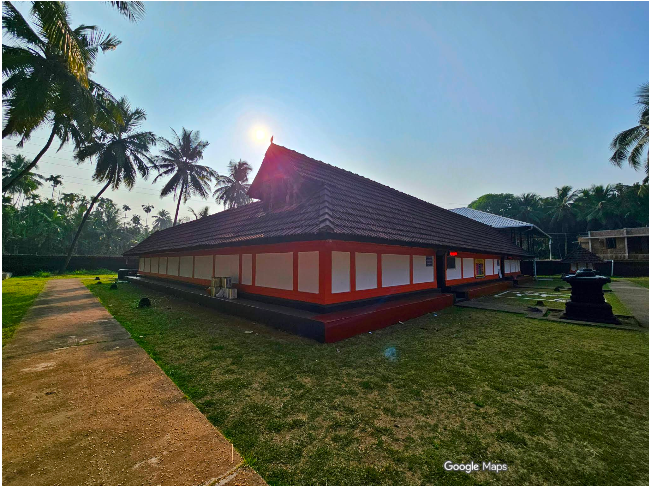
A Rare Healing Temple Tradition
Rudra & Dhanwanthari Worship Together
One of the rare temples where Lord Rudra and Lord Dhanwanthari are worshipped together in a unified healing tradition.
Sarva Roga Shamana Tradition
The temple is renowned for the sacred Sarva Roga Shamana Pooja performed with prayers for universal well-being and relief from suffering.
Connection with Ashtavaidya Heritage
The temple shares a spiritual connection with the centuries-old Pulamanthole Mooss Ashtavaidya lineage known for preserving authentic Kerala Ayurveda traditions.
Spiritual Healing Atmosphere
Daily poojas, chanting, devotional prayers, and sacred rituals create an environment of positivity, peace, and inner healing.
Devotees from Across the World
People from different regions and cultures visit the temple seeking blessings for health, harmony, recovery, and spiritual strength.
This integrated approach ensures that healing is not isolated, but supported from multiple dimensions.
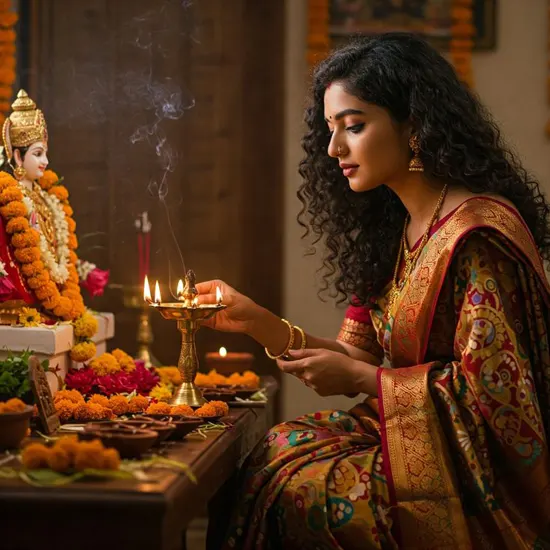
Sacred Sarva Roga Shamana Pooja
The Sarva Roga Shamana Pooja is the principal spiritual offering of the temple, performed with prayers for relief from suffering and for the well-being of individuals and families. The pooja invokes the blessings of Lord Rudra and Lord Dhanwanthari through sacred rituals, Vedic chanting, devotional offerings, and spiritual sankalpam.
Devotees Participate For
- Health and wellness prayers
- Inner peace and positivity
- Emotional and spiritual strength
- Family well-being
- Recovery support prayers
- Protection and harmony
- Mental calmness and devotion
The pooja is performed with deep spiritual discipline and temple tradition.
The Sacred Origin of Sree Rudhra Dhanwanthari Temple
The Divine Beginning
Centuries ago, the sacred land of Pulamanthole, situated on the banks of the holy Kunthipuzha river in Kerala, was already known for its spiritual atmosphere, Vedic traditions, and healing wisdom preserved by the revered Pulamanthole Mooss Ashtavaidya lineage.
At that time, the temple was primarily a Shiva kshetram where Lord Rudra was worshipped with deep devotion by the Pulamanthole Mooss family and local devotees.
The temple later evolved into the rare and spiritually powerful Rudhra Dhanwanthari Kshetram known today.
According to the temple’s sacred aithihyam, a major turning point occurred during the reign of a Travancore Maharaja.
The Suffering of the Maharaja
The Maharaja of Travancore was once affected by unbearable stomach pain and severe physical suffering.
Despite receiving treatment from many renowned physicians and healers, no remedy brought relief.
As the condition worsened, the royal court heard about the extraordinary spiritual and healing traditions associated with Pulamanthole Mana — the ancestral home of the Pulamanthole Mooss Ashtavaidya family.
The Maharaja then sent royal messengers in a palanquin to Pulamanthole seeking help and divine intervention.
The Appearance of Lord Rudra
On the 12th night of the bhajanam, Lord Shiva himself is believed to have appeared before the boy in the form of a sanyasi.
- The divine figure handed over three sacred gulikas (herbal pills) and instructed the boy:
- These medicines would cure the Maharaja
- No wealth or gifts should be accepted in return
The king must retrieve a sacred idol of Lord Dhanwanthari from the river Tamaraparani and install it beside Lord Rudra at Pulamanthole
This divine instruction became the foundation of the temple’s transformation into the sacred Rudhra Dhanwanthari Kshetram.
The Young Boy & The 12-Day Bhajanam
At that particular time, the senior physicians of the household were away, and only a young Brahmin boy and his mother were present in the illam.
When the royal messengers conveyed the Maharaja’s suffering, the mother instructed the boy to seek the blessings of Lord Shiva through intense prayer and bhajanam at the family temple.
The young boy then entered the temple and began a strict 12-day devotional bhajanam with complete surrender and unwavering faith.
The Miraculous Recovery
The sacred gulikas were taken to the Maharaja and administered as instructed.
According to temple tradition, the Maharaja recovered completely from the unbearable illness that had troubled him for a long time.
Filled with gratitude and devotion, the ruler offered wealth and gifts to the young boy and the family.
However, remembering the divine instruction, the offerings were respectfully declined.
The Birth of Rudhra Dhanwanthari Kshetram
Following the divine instruction, the idol of Lord Dhanwanthari was ceremonially brought and installed beside Lord Rudra.
Thus emerged one of Kerala’s rare temples where Lord Rudra and Lord Dhanwanthari are worshipped together.
This union symbolized Kerala’s ancient spiritual understanding that true healing is not merely physical, but a harmony of:
Body | Mind | Consciousness |Discipline | Devotion | Divine Grace
Connection with Ashtavaidya Heritage
The temple’s spiritual atmosphere became deeply interconnected with the Pulamanthole Mooss Ashtavaidya lineage.
For generations, the temple and the healing philosophy of the Mooss family evolved together through:
- Ayurveda
- Devotion
- Mantra
- Discipline
- Prayer
- Compassionate Service
The Continuation of the Sacred Tradition
Over the years, thousands of devotees have visited the temple seeking:
Prayers for health |Emotional peace |Spiritual strength | Family well-being |Positivity | Inner Balance
The temple later became especially known for:
Sarva Roga Shamana Pooja | Dhanwanthari Pooja | Mrityunjaya Rituals | Healing-centered devotional practices
Even today, the sacred atmosphere of oil lamps, Vedic chanting, bhajans, and rituals continues to preserve the timeless spiritual energy of this ancient kshetram.
For devotees, Sree Rudhra Dhanwanthari Temple remains:
A place of surrender | A sanctuary of peace | A center of healing prayers | A living continuation of Kerala’s sacred spiritual heritage
HOW THE POOJA IS PERFORMED?
Ritual Procedure
Step 01 – Sankalpam
Devotees submit their names, birth stars, and prayers for spiritual sankalpam.
Step 02 – Sacred Chanting
Vedic mantras and healing prayers are performed invoking divine blessings.
Step 03 – Ritual Offerings
Traditional offerings are made before Lord Rudra and Lord Dhanwanthari.
Step 04 – Prayers for Well-being
Special prayers are offered for peace, balance, harmony, and holistic wellness.
Step 05 – Prasadam
Sacred prasadam is distributed to devotees after the pooja.

Temple Rituals & Offerings
Daily & Special Rituals

Sarva Roga Shamana
Sacred healing-centered pooja performed with prayers for wellness and spiritual strength.
Dhanwanthari Pooja
Dedicated to Lord Dhanwanthari for health, balance, and divine blessings.
Rudrabhishekam
Sacred abhishekam offered to Lord Rudra through Vedic rituals and prayers.
Mrityunjaya Archana
Performed with prayers for protection, peace, and well-being.
Bhagavathi Seva
Traditional devotional offering performed with temple customs and rituals.
Special Sankalpam Poojas
Personalized poojas conducted based on devotee prayer intentions.
Monthly Healing Prayers
Dedicated monthly rituals focused on well-being and spiritual support.
Festival Day Poojas
Special poojas conducted during important temple festivals and sacred occasions.
Major Festivals
Dhanwanthari Jayanthi
Special poojas and prayers dedicated to Lord Dhanwanthari, the divine embodiment of healing and Ayurveda.
Maha Shivaratri
Night-long devotional worship, Rudra prayers, chanting, and sacred observances.
Monthly Sarva Roga Shamana Pooja
A sacred monthly healing pooja attended by devotees from different regions.
Special Homams & Spiritual Events
Traditional rituals conducted during spiritually significant occasions throughout the year.
Stories of Faith & Healing
Visit Sree Rudhra Dhanwanthari Temple
Experience the spiritual serenity and sacred healing atmosphere of this unique Kerala kshetram.
Dress Code
Traditional attire is preferred while entering the temple premises.
Temple Timings
- Morning - 5:00 AM – 11:00 AM
- Evening - 5:00 PM – 8:00 PM
Visitor Guidelines
- Maintain silence and devotion inside the temple
- Photography restrictions may apply during rituals
- Kindly follow temple traditions and instructions
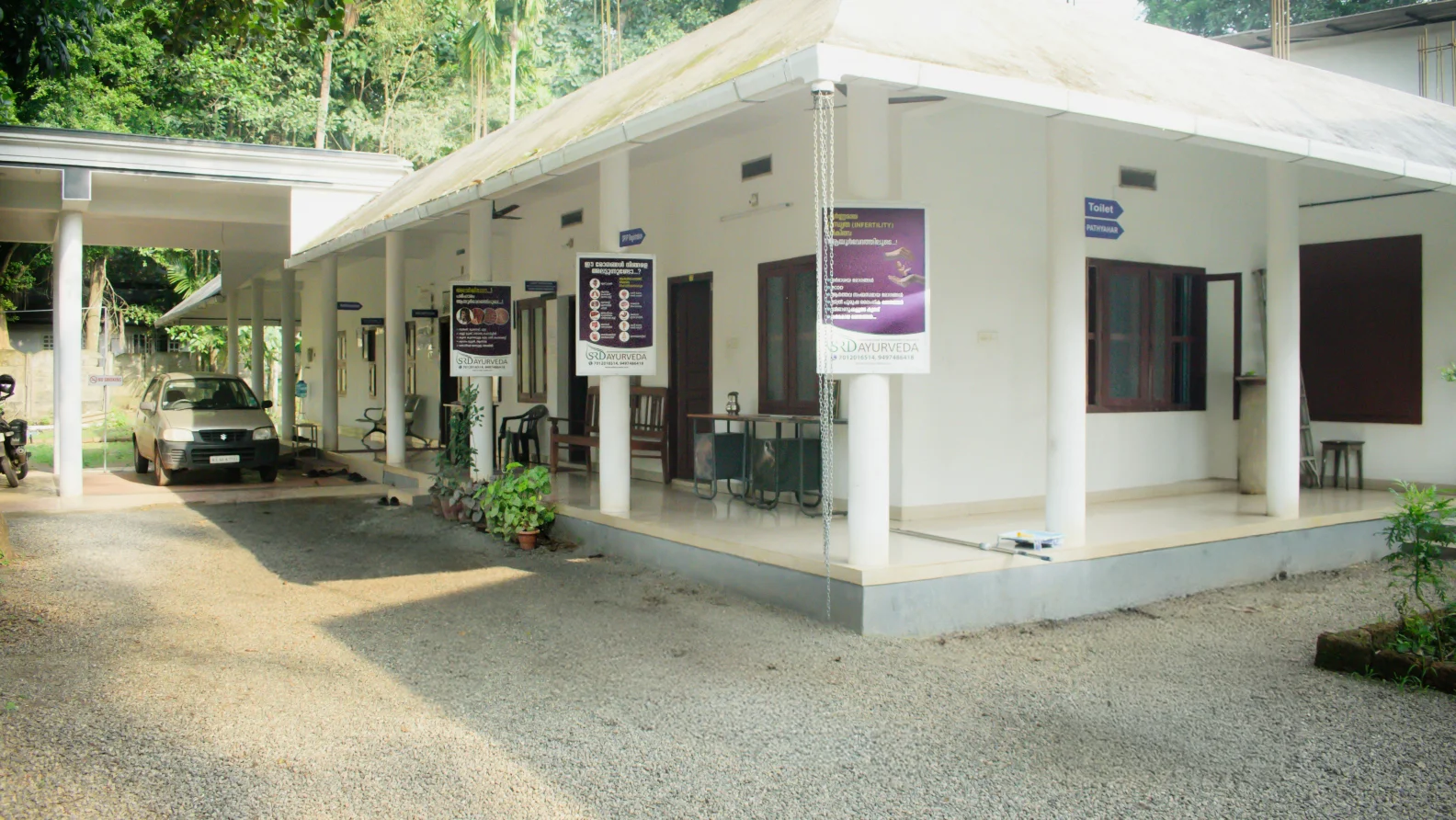
Spiritual Connection with Pulamanthole Mooss Tradition
Sree Rudhra Dhanwanthari Temple shares a spiritual association with the respected Pulamanthole Mooss Ashtavaidya tradition, a heritage known for preserving authentic Kerala Ayurveda, classical healing wisdom, and holistic wellness philosophies.
This sacred connection reflects the timeless Kerala understanding that spirituality, disciplined living, Ayurveda, devotion, and well-being are deeply interconnected.